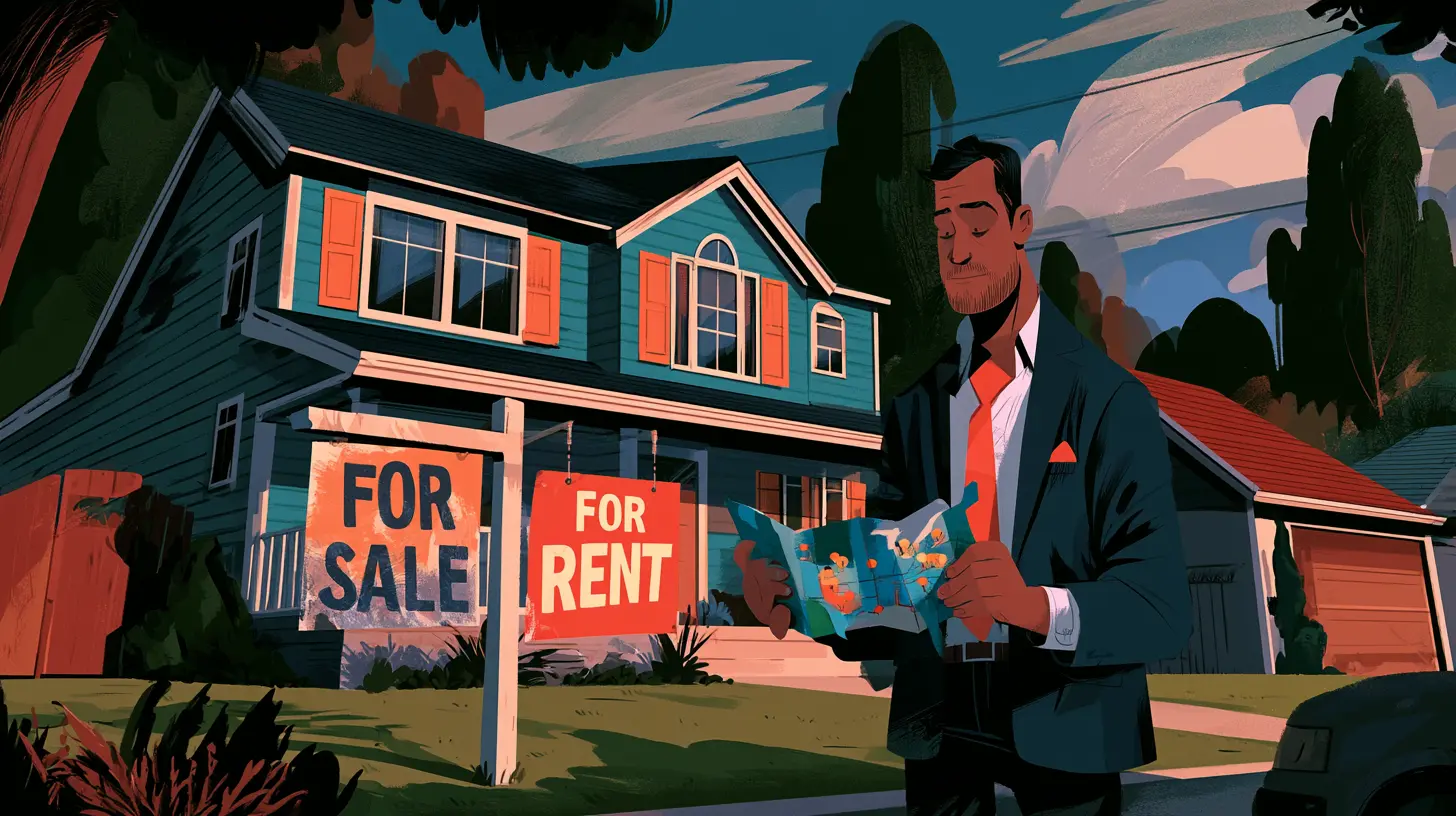



There is a whole class of investors parked in cash right now, waiting for the Fed to cut so deals finally get cheaper. They have been waiting since last year. Meanwhile, the 30-year fixed just hit a nine-month high of 6.53%, the Fed is holding, and the sideline is getting expensive. For anyone doing real estate investing at high interest rates in 2026, the question is no longer when rates fall — it is what you do while they don't.
The reflex is to wait. The smarter move is to understand what these rates actually do to your deals, your demand, and your competition. Higher for longer is not a forecast anymore. It is the operating environment, and it rewards investors who underwrite for it instead of betting against it.
Real estate investing at high interest rates in 2026: where the Fed actually stands
Start with the facts. The 30-year fixed-rate mortgage averaged 6.53% the week of May 28, 2026, its highest level in nine months, though still below the 6.89% of a year earlier, according to Freddie Mac's weekly survey.
On the policy side, the Fed held its target range at 3.5–3.75% at its April 29, 2026 meeting and declined to signal an easing bias, per the FOMC statement. The next meeting lands June 16–17. Translation: nobody is handing you a cheaper rate on a predictable schedule.
The "wait for the cut" trap
Here is the flaw in waiting. If you delay until rates drop, so does every other buyer who has been waiting — and they all flood back at once. That surge bids prices up and erases the discount the cut was supposed to deliver.
You do not win by timing the Fed. You win by acquiring income while everyone else is frozen. A deal that pencils at 6.53% with a tenant already paying is a deal that pencils regardless of what the June meeting does. Certainty beats a forecast.
And the cost of an idle quarter is real: capital sitting in cash earns you nothing toward your portfolio while taxes, opportunity, and competition keep moving.
High rates are a headwind on financing — and a tailwind on demand
Every basis point that keeps a would-be buyer renting is demand flowing into your asset. At 6.53%, the payment gap between owning and renting stays wide, and the households who get priced out do not vanish. They sign leases.
That is why single-family rental occupancy held near 94% with average resident tenure stretching past 40 months even as rates climbed, while cap rates rose to 7.3%, according to CRE Daily. High rates pressure your borrowing and strengthen your renter pool at the same time. The investors who win this summer underwrite for the second part, not just the first.
🦍 Joe's read: Everybody's staring at the rate like it's the whole game. It isn't. The same 6.53% that makes your loan pricier is quietly filling your rental with people who can't buy yet. You're not paying for an expensive mortgage — you're paying for a deeper tenant pool. Underwrite the demand, not just the debt.
How to underwrite acquisitions at 6.53%
Practical math wins in this environment. Underwrite for day-one income, not a future refinance that may not arrive. Stress the deal at today's rate, assume flat rents, and price in turnover and lease-up costs honestly.
Then hunt for the structural advantages. Rising inventory helps: national supply reached a 4.4-month level in April 2026 with days on market lengthening, per NAR data. More supply and slower sales mean more room to negotiate price and terms.
The biggest hidden cost in a high-rate deal is the vacancy gap — the months you carry an expensive mortgage with no rent coming in. Eliminate that gap and the math changes. That is exactly what a tenant-in-place acquisition does, an approach we detailed in our zero-vacancy portfolio playbook.
The acquisition that doesn't need a rate cut to pencil
Strip it down and the summer 2026 play is simple. Stop underwriting around a Fed decision you cannot control. Start acquiring assets that produce income the day you close.
That is the Sell2Rent model: off-market sale-leaseback deals where the former owner stays on as a renter. You skip the lease-up gap, skip the retail bidding war, and start with cash flow on day one — at whatever rate the market hands you. For more on sourcing these, see our guide to off-market deals from equity sellers.