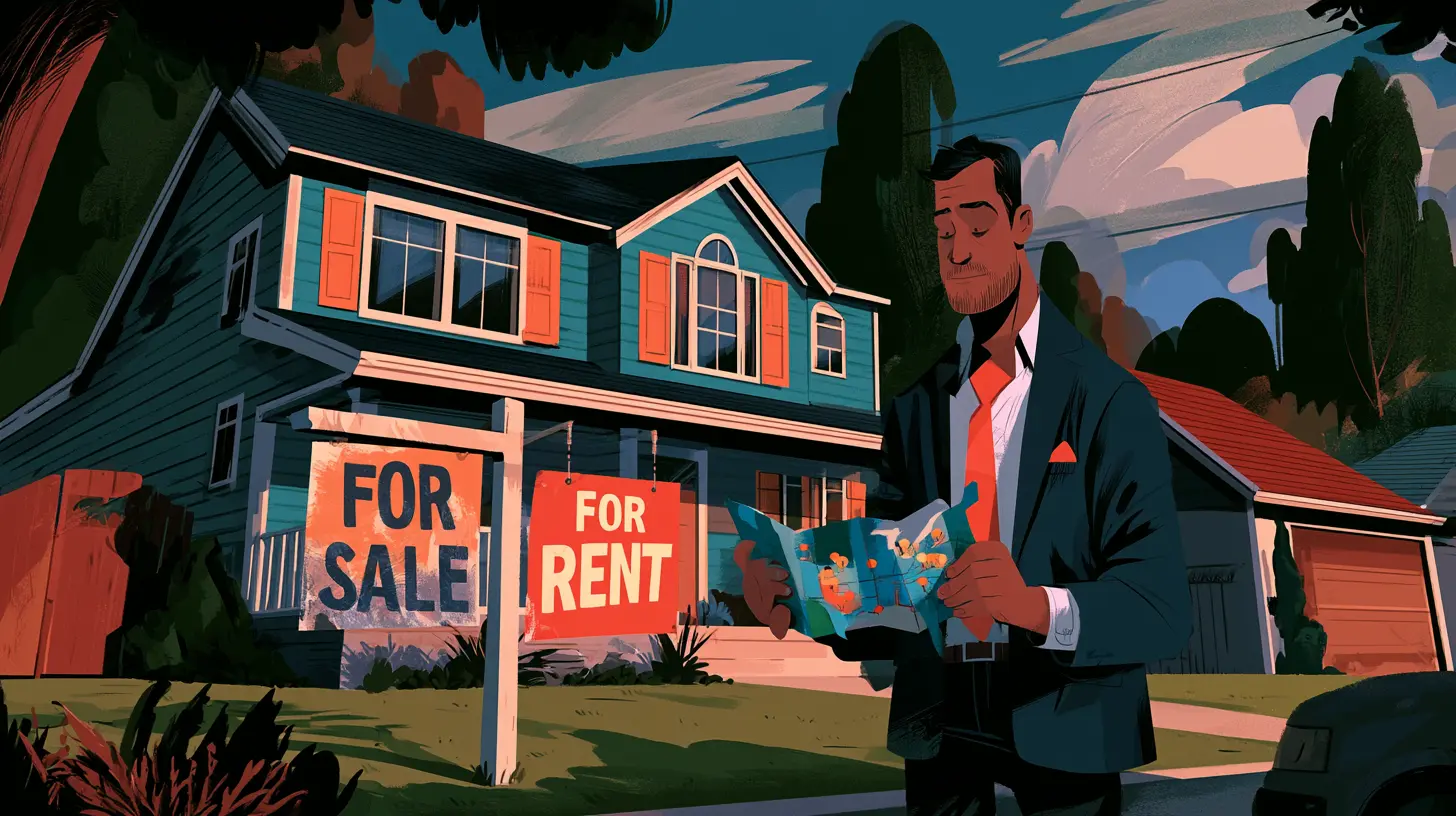



The average aspiring investor thinks they need $80,000 to get into rental real estate. The data says otherwise — and Sell2Rent is the proof.
There’s a mental glitch spreading quietly through the investing world. Researchers and financial journalists are calling it “money dysmorphia” — a condition where people consistently overestimate what it costs to take a financial step, convincing themselves they’re not ready when the numbers say they are.
Sound familiar? If you’ve been telling yourself “I’ll start investing in real estate when I have enough saved up” — this post is for you.
According to Realtor.com data, the typical U.S. household now needs approximately seven years to save for a conventional home down payment. That’s nearly double the pre-pandemic norm. For first-time homebuyers, that psychological weight is paralyzing — and aspiring real estate investors are feeling the exact same thing.
But here’s what the data actually shows: the barrier to entry in rental real estate is far lower than most people believe. And with Sell2Rent’s sale-leaseback model, it may be lower than you’ve ever considered.
The Down Payment Myth That’s Keeping Investors Stuck
Most people assume that getting into real estate requires a 20% down payment — a number that, on today’s median U.S. home price of roughly $415,000, works out to over $83,000. That’s a staggering amount to accumulate, especially when inflation and rising rents are already squeezing household budgets.
But that 20% figure is a myth that’s decades out of date.
The reality: In 2025, the median down payment for first-time homebuyers was just 10%, according to the National Association of Realtors. And for investment property purchases specifically, investors are routinely closing with 15–25% down — or creatively structuring deals to get in for even less.
The bigger problem? Most aspiring investors know the 20% myth isn’t the whole truth — but they still feel like they’re not ready. That’s money dysmorphia in action.
The Real Cost of Waiting: What a 7-Year Delay Costs You
Money dysmorphia doesn’t just delay the decision — it has a real, quantifiable cost. The National Association of Realtors found that delaying homeownership from age 30 to age 40 could mean losing out on approximately $150,000 in equity on a typical starter home.
For investors, the math is even sharper. Every year you wait is a year of rental income that doesn’t compound. A year of appreciation you don’t capture. A year of a tenant building equity for someone else’s portfolio — instead of yours.
The investor who starts with a Sell2Rent deal today — with tenants already in place and cash flow on Day One — will statistically outperform the investor who waits another 3–5 years to “save enough.” The compounding starts the moment you close.
Why Sale-Leaseback Removes the Biggest Barriers to Entry
Most rental property investments require investors to solve three problems sequentially: find the property, fund the purchase, and fill the vacancy. Each of these steps takes time, carries risk, and drains capital before a single dollar of rent comes in.
Sell2Rent’s sale-leaseback model fundamentally restructures this sequence — and eliminates Step 3 entirely.
Here’s how it works: A homeowner sells their property to an investor through the Sell2Rent marketplace, then immediately stays on as a renter. The investor acquires an off-market property with a tenant already signed and ready. No vacant months. No marketing for renters. No screening process. The lease is in place at closing.
How to Get Started: From “Not Ready” to First Deal
The antidote to money dysmorphia isn’t motivation — it’s a concrete next step. Here’s what smart investors do to move from stuck to started:
1. Audit what you actually have — not what you think you need
Most aspiring investors carry a mental figure that’s never been pressure-tested against real deal math. Before you decide you’re not ready, run the actual numbers on a real deal. What does 15% down look like on the properties in your target market? What’s the debt service coverage ratio? What are actual vacancy rates in that ZIP code?
Tools like Real Estate Analytics give you the data to answer these questions without guesswork.
2. Browse deals before you commit
One of the fastest ways to cure money dysmorphia is to look at real deals with real numbers. Sell2Rent’s investor marketplace lets you browse off-market sale-leaseback properties — with tenants already in place and full financial details — before you make any commitment. Seeing actual cap rates, actual lease terms, and actual asking prices resets your mental model of what “entry” actually looks like.
3. Understand the model, not just the deal
The sale-leaseback structure is different from traditional landlord investing. Before you browse individual properties, take 20 minutes to understand how the model works — who the sellers are, why they’re motivated to stay, what lease protections look like, and how investor returns are structured. Sell2Rent’s investment model overview breaks this down without jargon.
4. Take the analysis further
Want the full picture — vacancy rates in your target market, rent growth trends, and cap rate benchmarks? Pair your deal research with real market data from myRealEstateAnalytics. Smart investing starts with smart inputs.
The Math Doesn’t Lie — But Your Fear Might
Money dysmorphia isn’t weakness. It’s a rational response to a market that’s told you, repeatedly, that real estate is hard to enter. High prices. High rates. Limited inventory. Difficult tenants. Endless maintenance. The stories stack up and the mind inflates the cost of starting.
But data resets the story.
The typical household needs seven years to save a conventional down payment — but the typical first-time buyer in 2025 actually put down just 10%, not 20%. The average investor thinks they need to find a tenant before they see income — but a sale-leaseback deal generates cash flow from the moment you close. The aspiring landlord thinks they’ll spend months hunting for deals — but Sell2Rent’s marketplace brings curated, off-market properties directly to them.
The barrier isn’t money. The barrier is the story you’re telling yourself about money.
The investors building portfolios in 2026 are the ones who stopped waiting for perfect conditions and started running the actual numbers on actual deals. That’s the move. That’s math.
Alex Arguelles is the CEO and Co-Founder of Sell2Rent and a recognized pioneer in the sale-leaseback space. He previously co-founded a management firm that he scaled to 175+ employees and 15,000 apartments, proving his ability to manage large-scale real estate operations. As host of The Alex Show, he shares high-level acquisition strategies and market insights with the investor community. Alex’s extensive track record in scaling disruptive companies makes him a premier authority for readers navigating modern residential investment.
Oops! Something went wrong while submitting the form.
Thank you! Your submission has been received!
Oops! Something went wrong while submitting the form.
Subscribe to the Real Estate Digest. Weekly newsletter.