

Mortgage delinquencies reached 4.44% of all home loans in the first quarter of 2026, the highest level in years. At the same time, American homeowners are sitting on roughly $11 trillion in equity they cannot easily reach. A sale leaseback lives in that gap: it converts the equity locked in your home into cash while you stay right where you are, as a renter. Here is how it works, what it solves, and what it costs you, backed by current market data.
The squeeze on U.S. homeowners in 2026
The numbers tell a clear story. According to the Mortgage Bankers Association, the national delinquency rate rose 40 basis points over the past year, and FHA borrowers are under the most pressure, with delinquencies at 11.88%.
Foreclosure activity is climbing too. ATTOM's Q1 2026 report counted 118,727 properties with foreclosure filings, up 26% from a year earlier. Bank repossessions rose 45% over the same period.
And even homeowners who are current on their mortgage are feeling it. Harvard's Joint Center for Housing Studies counts 20.7 million cost-burdened homeowners, an increase of 4 million since 2019. Property taxes are up 31% since 2019. Home insurance premiums are up 72%.
Here is the frustrating part. Most of these households are equity-rich on paper. ICE Mortgage Monitor data puts tappable home equity near $11 trillion nationally. But the traditional tools for reaching that equity, like a HELOC or a cash-out refinance, require a credit check and add a new monthly payment. Financial stress shows up on a credit report early, so the homeowners who need equity access the most are often the ones who get turned down.
What is a sale leaseback?
A sale leaseback is a transaction where you sell your home to an investor and stay in it as a renter. You receive your equity in cash at closing, and a lease signed the same day sets your rent and how long you can stay. You keep your address, your neighborhood, and your routine. What changes is your balance sheet.
This form of home equity conversion is different from borrowing in one fundamental way: there is no loan. That means no credit check, no new debt, and no monthly payment added on top of what you already owe. If missed payments have already dented your score, that distinction matters more than anything else on this page.
How a sale leaseback supports housing stability
Housing security is not just about owning a deed. It is about knowing you can stay in your home next month and next year. A sale leaseback protects that stability in four concrete ways.
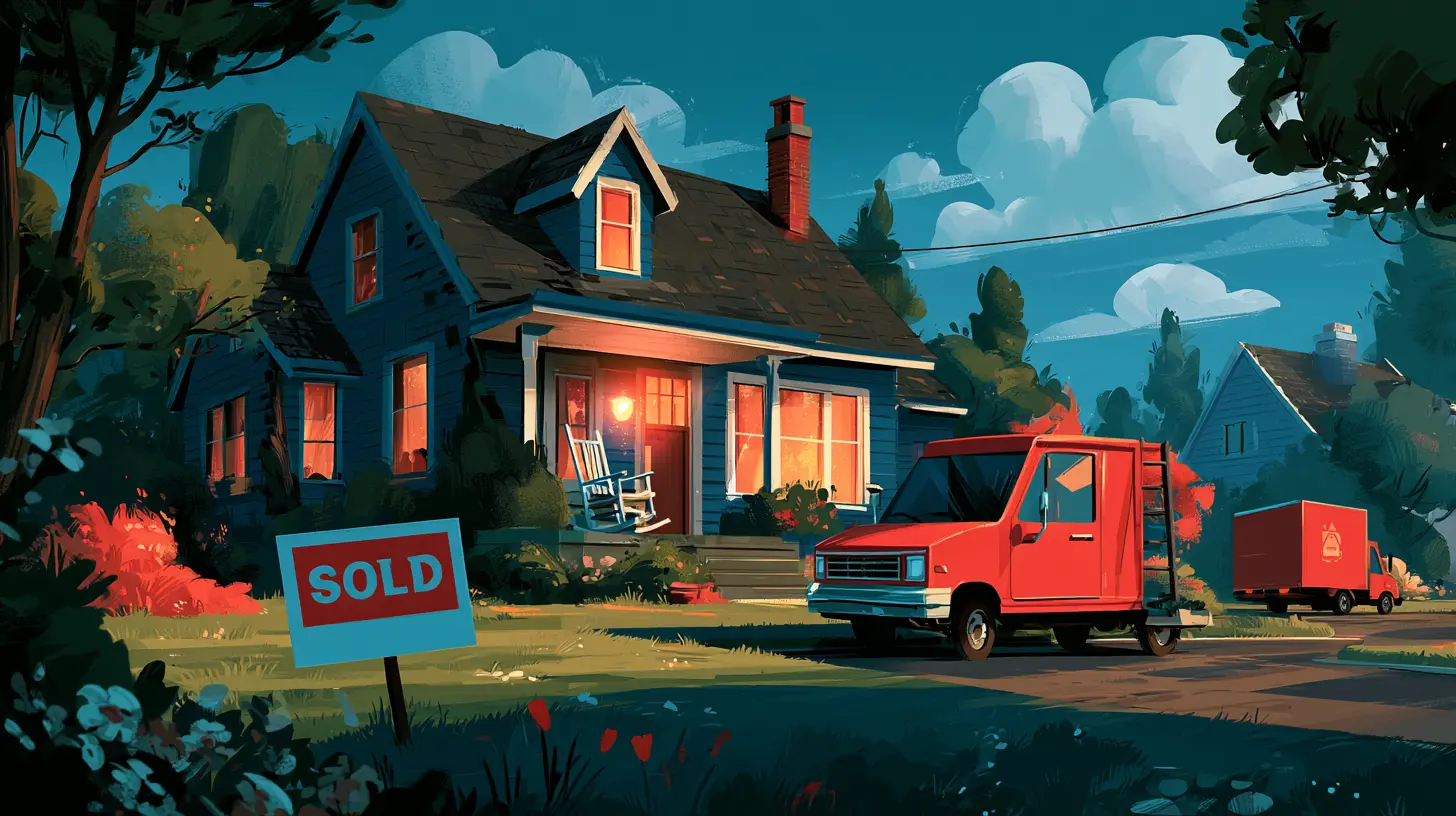
It keeps you in place. A traditional sale solves the money problem by creating a housing problem. You get your equity, but you also get moving trucks, a new school district, and first and last month's rent somewhere else. A sale leaseback separates the financial transaction from the physical move, so there is no move at all.
It stops the debt spiral. Cash from the sale arrives at closing and can go straight toward the mortgage balance, credit cards, or medical bills. For homeowners at risk of foreclosure, a completed sale is significantly better for your credit than a foreclosure, which can stay on your report for seven years. This is mortgage relief that also protects your future borrowing power.
It lowers your monthly cost exposure. After the sale, property taxes, insurance, HOA fees, and repair bills belong to the new owner. Those are exactly the costs rising fastest right now. Your housing cost becomes one predictable number: rent, set in a contract signed at closing that protects you from arbitrary increases.
It puts you in control of the timeline. At Sell2Rent, your home is presented to a network of more than 10,000 investors who compete for it. You receive at least 5 offers, choose the one you prefer, and typically close in 20 to 25 days. The average traditional sale takes about 80 days. Lease length is negotiated at closing, so you decide how long you stay, and there is no rental application to pass in your own home.
Sale leaseback vs. the alternatives
| Option | Credit check? | New debt? | Do you move? | Typical timeline |
|---|---|---|---|---|
| Sale leaseback | No | No | No | 20 to 25 days |
| HELOC / cash-out refi | Yes | Yes | No | 30 to 45 days |
| Reverse mortgage | Age 62+, financial assessment | Yes (against equity) | No | 30 to 45 days |
| Traditional sale | No | No | Yes | ~80 days on average |
| Foreclosure | No | No | Yes | Months, severe credit damage |
Each of these can be the right tool in the right situation. A HELOC works well if your credit is strong and the payment fits your budget. A reverse mortgage can suit homeowners over 62 who want to age in place and can keep up with taxes and upkeep. The sale leaseback stands out when you need meaningful cash, cannot pass a credit check, and want to stay in your home.
The tradeoffs, stated plainly
A sale leaseback is a real financial decision, and it deserves an honest accounting.
You stop building equity. Once you sell, future appreciation belongs to the new owner. If your market rises 5% next year, that gain is no longer yours.
You pay rent going forward. Rent is set by the market and investor competition, and your lease protects you from arbitrary increases, but it is a permanent line in your budget.
You give up ownership for good. Sell2Rent does not offer a buy-back option. Treat the sale as final and plan accordingly.
There is a transaction fee. Sell2Rent charges 6% of the sale price or $15,000, whichever is greater, at closing, comparable to a traditional agent commission, and it covers the full transaction including title work and property assessment.
For the investor on the other side, this is straightforward real estate investment: they get a property with a caring, long-term resident already in place. That is why they compete and often pay a premium. The model works because both sides gain something they could not get in a traditional transaction.
Is a sale leaseback right for you? A quick checklist
Among financial stress solutions available to homeowners, a sale leaseback fits best if most of these are true:
- You have meaningful equity in your home
- You are behind on payments, or a credit check would likely go against you
- Staying in your home, neighborhood, or school district matters to you
- You need cash for debt, medical bills, retirement, divorce, or another major transition
- Your home was built after 1940 and sits on one acre or less
If that sounds like your situation, the next step is simple and carries no obligation: get a free home valuation. If no acceptable offer arrives within 3 months, you walk away free, with no penalty.
Frequently asked questions
How does a sale leaseback work?
You sell your home to an investor and sign a lease at closing that lets you stay as a renter. You receive your equity in cash, and the new owner takes over property taxes, insurance, and repairs. With Sell2Rent, you review at least 5 competing offers and choose the one you prefer.
Do I need good credit for a sale leaseback?
No. A sale leaseback is a sale, not a loan, so there is no credit check. Homeowners in foreclosure or bankruptcy can still qualify.
How long can I stay in my home after a sale leaseback?
Lease terms, including length, are negotiated at closing. There is no forced short-term arrangement and no rental application to pass. You stay as a renter automatically once the sale closes.
How fast can a sale leaseback close?
With documents ready, closing can happen in as little as 2 weeks. The realistic average with Sell2Rent is 20 to 25 days, versus roughly 80 days for a traditional sale.
Is a sale leaseback better than a foreclosure?
In almost every measurable way. A completed sale gives you your equity in cash and does far less damage to your credit. A foreclosure leaves you with no proceeds, no home, and a credit mark that lasts up to seven years.
What does a sale leaseback cost?
Sell2Rent charges 6% of the sale price or $15,000, whichever is greater, at closing, in line with a traditional agent commission. It covers the full transaction, including title checks and property assessment, with no hidden fees.
Your home, your terms
The homeowners feeling the most pressure in 2026 are not out of options. They are usually just out of the options everyone talks about. A sale leaseback turns the equity you already earned into cash and stability, without a moving truck in the driveway.
Get your free home valuation. It takes a few minutes, there is no credit check, and you decide what happens next.